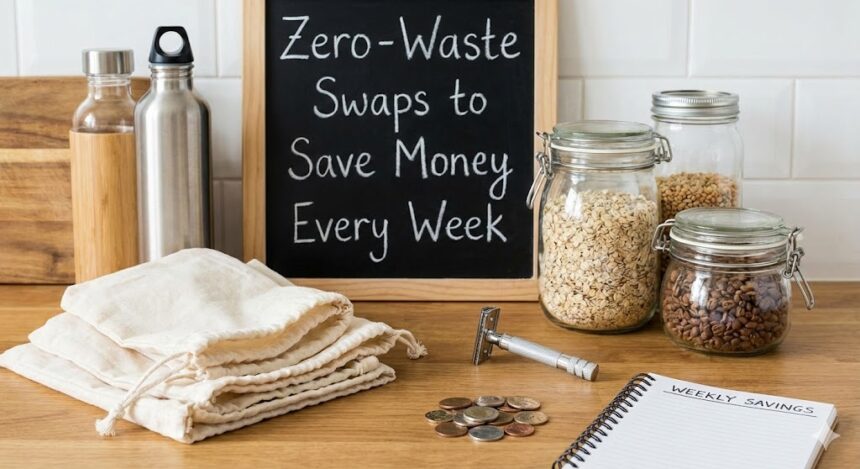
In a world where the cost of living continues to climb, and environmental concerns grow more urgent, a powerful solution lies at the intersection of frugality and sustainability: the zero-waste lifestyle. Far from being an expensive or extreme niche, adopting a zero-waste mindset is fundamentally about consuming less, wasting less, and valuing more. This comprehensive guide provides you with a practical, actionable zero-waste swaps list designed not just to reduce your environmental footprint but to put tangible cash back in your pocket every single week. By shifting from disposable, single-use items to durable, reusable alternatives, you make a one-time investment that pays dividends for years, slashing your recurring grocery and household bills.
Why Zero-Waste Living is a Financial Power Move
Many perceive eco-friendly products as premium-priced. However, the true zero-waste philosophy is inherently anti-consumerist. It’s about refusing what you don’t need, reducing what you do need, and reusing as much as possible. The financial logic is simple:
-
The Disposable Model: You pay repeatedly for the product, its packaging, and the cost of its disposal (through taxes and higher product prices). You are in a constant cycle of repurchasing.
-
The Reusable Model: You make a single, upfront investment in a quality item that replaces hundreds, if not thousands, of its disposable counterparts. Your weekly shopping list shrinks, and your bin fills more slowly.
The U.S. Environmental Protection Agency (EPA) notes that packaging alone accounts for nearly 30% of municipal solid waste. By targeting packaging and disposables, you directly combat this waste stream while keeping more of your money. The swaps outlined below are categorised by room and impact, complete with a clear breakdown of potential savings.
Your Room-by-Room Zero Waste Swaps List
The Kitchen: Where Savings and Sustainability Cook Together
The kitchen is often the heart of household waste and spending. It’s also the easiest place to start making impactful changes.
-
Swap Disposable Sponges for Swedish Dishcloths or Bamboo Brushes.
-
The Swap: A single Swedish dishcloth can replace up to 17 rolls of paper towels and lasts for months. Bamboo bottle brushes and dish brushes are compostable at the end of life.
-
Weekly Savings: $2-$5 on paper towels and plastic scrubbers. A $5 dishcloth saves an estimated $130+ per year on paper towels.
-
-
Swap Plastic Wrap and Sandwich Bags for Beeswax Wraps and Reusable Containers.
-
The Swap: Silicone lids, glass containers, and beeswax or vegan food wraps preserve food without waste.
-
Weekly Savings: $3-$7 on cling film, foil, and ziplock bags. A $20 set of beeswax wraps can last a year, replacing hundreds of feet of plastic wrap.
-
-
Swap Paper Towels for a Stack of Unpaper Towels or Old Rags.
-
The Swap: Cut up old t-shirts, towels, or invest in a set of absorbent cotton “unpaper” towels. Wash and reuse them endlessly.
-
The Financial & Environmental Impact: The average family spends over $100 annually on paper towels. This swap reduces that to nearly zero.
-
-
Swap Tea Bags and Coffee Pods for Loose Leaf and a French Press/Reusable Filter.
-
The Swap: Many tea bags contain plastic. Shift to loose-leaf tea with a stainless-steel infuser and use ground coffee with a reusable pod or a French press.
-
Weekly Savings: Loose tea and bulk coffee are often cheaper per serving. Save $5-$10 weekly on branded pods and boxed tea bags.
-
-
Swap Plastic Produce Bags for Reusable Mesh Bags.
-
The Swap: A simple set of lightweight mesh bags for fruits and vegetables.
-
Weekly Savings: While the direct cash saving is small, it eliminates a source of plastic pollution and often encourages buying just what you need, reducing food waste.
-
Kitchen Swap Savings at a Glance
| Disposable Item (Annual Est. Cost) | Reusable Swap (Approx. Upfront Cost) | Estimated Annual Savings |
|---|---|---|
| Paper Towels ($130) | Swedish Dishcloths & Rags ($15) | $115 |
| Plastic Wrap & Bags ($80) | Beeswax Wraps & Containers ($40) | $40 |
| Sponges/Scrubbers ($40) | Bamboo Brushes ($20) | $20 |
| Coffee Pods ($260) | French Press & Ground Coffee ($30) | $230+ |
| Potential Total Annual Kitchen Savings: | Over $400 |
The Bathroom: Personal Care Without the Price Tag
The bathroom is a hotspot for single-use plastics and clever marketing that drives up costs.
-
Swap Liquid Body Wash and Hand Soap for Bar Soap.
-
The Swap: A simple, package-free (or minimally packaged) bar of soap. It lasts longer, requires less energy to transport, and is often made with simpler ingredients.
-
Weekly Savings: A quality bar can outlast 2-3 bottles of liquid soap. Save $1-$3 per week.
-
-
Swap Disposable Razors for a Safety Razor.
-
The Swap: A metal safety razor with a single, double-edged blade. It’s a classic, durable design.
-
The Financial & Environmental Impact: The initial cost ($30-$50) is offset incredibly fast. Replacement blades cost 10-25 cents each, compared to $4-$6 for a cartridge. Save $100+ annually.
-
-
Swap Plastic Toothbrushes for Bamboo Toothbrushes.
-
The Swap: A compostable bamboo-handled toothbrush.
-
Weekly Savings: While price-competitive, the savings come from avoiding plastic and supporting a sustainable product cycle. Financially, it’s a lateral move with massive environmental upside.
-
-
Swap Bottled Shampoo/Conditioner for Shampoo Bars.
-
The Swap: Concentrated, solid shampoo and conditioner bars that come in paper packaging.
-
Weekly Savings: One bar often equals 2-3 bottles of liquid. Save $5-$10 per month on haircare products.
-
-
Swap Disposable Menstrual Products for a Menstrual Cup or Reusable Pads.
-
The Swap: A medical-grade silicone cup or cloth pads. This is one of the most significant swaps in terms of waste and long-term savings.
-
The Financial & Environmental Impact: A $30 cup can last up to 10 years, saving an estimated $600-$1000 on disposable products over its lifetime.
-
Grocery Shopping & On-the-Go
This is where your zero-waste habits directly influence your weekly bill.
-
Swap Pre-Packaged Foods for Bulk Bin Goods.
-
The Swap: Bring your own jars and bags (tared for weight) to fill with rice, pasta, lentils, nuts, spices, and more from store bulk sections.
-
Weekly Savings: Bulk foods are typically 10-40% cheaper by weight than their packaged counterparts. Buying only what you need also drastically cuts food waste.
-
-
Swap Single-Use Water Bottles for a Reusable Bottle.
-
The Swap: A durable stainless steel or glass water bottle.
-
The Financial & Environmental Impact: If you buy one $2 bottle of water a day, you’re spending over $700 annually. A reusable bottle makes this cost nearly zero.
-
-
Swap Plastic Grocery Bags for Tote Bags.
-
The Swap: Keep reusable bags in your car or by the door. Many countries now charge for disposable bags, making this an immediate cost avoidance.
-
Weekly Savings: Saves 5-50p per bag, every trip. It adds up.
-
Overcoming the Mental Hurdles: It’s a Marathon, Not a Sprint
Starting can feel overwhelming. Remember: Perfection is the enemy of progress.
-
Start Small. Pick one category from this zero-waste swaps list that seems easiest—perhaps kitchen towels or a reusable water bottle. Master it, then add another.
-
Use What You Have First. The most sustainable product is the one you already own. Finish your current plastic wrap, then replace it. Don’t create waste to go zero-waste.
-
DIY When Possible. Many swaps can be homemade. Cleaner sprays (vinegar, water, citrus), unpaper towels from old fabric, and food scraps turned into vegetable broth are all cost-free and waste-free.
-
Shop Secondhand. Before buying a new reusable item (like glass containers or cloth napkins), check charity shops or online marketplaces.
The Bigger Picture: Health, Community, and Mindful Consumption
The benefits extend beyond money and trash. You often eat healthier by avoiding processed, over-packaged foods. You support local businesses like bulk stores and bakeries, where you can use your own containers. Most importantly, you cultivate mindfulness—asking “Do I really need this?” before every purchase. This shift in mindset is the ultimate financial tool. Research from institutions like the University of Cambridge Centre for Sustainability Leadership highlights how circular economy principles, which include reuse and reduction, are critical for both ecological and economic resilience.
Conclusion: Your Wallet and World Will Thank You
Building a zero-waste home is a gradual process of intentional swaps. Each item on this zero-waste swaps list represents a conscious step away from a throwaway culture and towards financial independence and environmental stewardship. The cumulative effect is staggering: easily saving over £500-£1000 per year while diverting hundreds of kilograms of waste from landfill. The initial investment pays for itself multiple times over, leaving you with a simpler, less cluttered, and more economical life. Start with one swap this week, track the savings, and let that positive reinforcement guide you to the next. For more ideas on sustainable and inspired living, explore the resources at Inspirationfeed.
Authoritative External Links:
-
The U.S. Environmental Protection Agency (EPA) provides data on Containers and Packaging: Product-Specific Data, which underscores the impact of packaging waste.
-
The USDA offers guidance on Reducing Food Waste at Home, a key component of a zero-waste kitchen that leads to direct financial savings.