

Quick Answer: A cheap UK staycation is mostly a timing and geography game: travel outside school holidays, go midweek, base yourself just outside the famous spot rather than in it, self-cater, and build your days around the things Britain does free — coast paths, national parks, beaches and a genuinely world-class set of free museums. The destination matters less than those five decisions.
The staycation’s reputation problem is that people price it wrong. They look up a boutique hotel in the most famous village in the Cotswolds for the first week of August, recoil, and conclude that Britain is expensive. It can be. But that is the single most expensive way to holiday in this country, and almost every element of it is optional. The same coastline, the same hills and the same museums are available a few miles sideways and a few weeks earlier, at a fraction of the price.
The five decisions that set the price
Timing is the biggest lever by a wide margin. School holidays — above all late July and August, and the late-May half term — are when accommodation prices peak and attractions crowd. January, February, late September and November are the trough, and a Tuesday-to-Thursday break in those months can cost half what the same bed costs on an August weekend. Second, base yourself adjacent to the honeypot, not in it: the village next to the famous one has the same walks and a cheaper cottage. Third, self-cater, even partially — breakfast and packed lunches alone remove the two most inflated meals of the day. Fourth, travel on a railcard if trains are involved (a Two Together or Family & Friends card typically pays for itself in one or two journeys) and book advance tickets rather than turning up. And fifth, plan around free anchors: in the UK the best things — the coast, the hills, the national museums — mostly do not charge.
Coasts that don’t charge admission
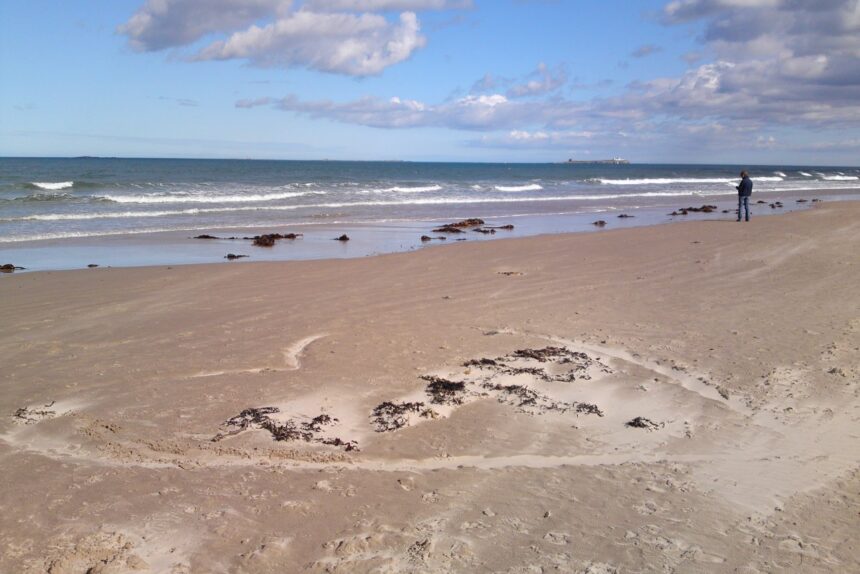
The Northumberland coast is the connoisseur’s answer to the crowded south: huge empty beaches, the Coast Path running for miles, the ruined silhouette of Dunstanburgh Castle above the shore, and the fishing village of Craster, with B&Bs and holiday parks in nearby towns like Alnwick keeping prices sane. Pembrokeshire gives you a national park that is essentially one long cliff path — base in St Davids or Tenby, or a little inland for value, and the days fill themselves with walking, beaches and a cathedral that costs nothing to enter. The Yorkshire coast splits the difference: Whitby for atmosphere and history, Robin Hood’s Bay for fossil-hunting and lanes that tumble to the sea, Filey for a long plain beach — with the North York Moors rising directly behind for when the weather turns inland.
National parks: the free days out
The Peak District is the most reachable wilderness in England — trains from Manchester and Sheffield land you in walking country, the Mam Tor ridge gives a summit’s worth of view for an hour’s climb, the plague village of Eyam tells a story no museum could, and the Monsal Trail cycles traffic-free through the dale. Eryri (Snowdonia) rewards those who skip its famous summit queue: the Rhinogs and the Aran range are quieter and wilder, and Bala, Dolgellau and Blaenau Ffestiniog — the slate town inside a UNESCO-listed landscape — lodge you for less than Betws-y-Coed. The South Downs are the gentle option: the South Downs Way, flint villages, market towns like Arundel, and barn-conversion self-catering that suits groups splitting costs.
City breaks where the best rooms are free
| City | Free highlights | Why it works on a budget |
|---|---|---|
| Glasgow | Kelvingrove Museum, Riverside Museum, Gallery of Modern Art | Three major museums, all free, plus Victorian streets worth walking for their own sake |
| Liverpool | Walker Art Gallery, World Museum, the Albert Dock waterfront | A whole day of culture and maritime history without a ticket |
| Belfast | Ulster Museum in the Botanic Gardens, Cathedral Quarter | Free museum, free gardens, and street art and history at walking pace |
London’s free museums are famous, but its beds are not cheap; these three cities offer the same free-entry culture with accommodation at regional prices. If heritage sites are your thing, do the membership maths honestly: National Trust membership (and its English Heritage equivalent) pays for itself in roughly three or four paid visits a year and includes most car parking — excellent value if you will use it, an expensive card if you won’t.
The quieter map
The deepest savings sit where the crowds never learned to go. The Lincolnshire Wolds — rolling hills, market towns like Louth, cycling country — offer rural England without the rural-England premium. The Scottish Borders are bypassed by everyone rushing to the Highlands, leaving ruined abbeys, the Tweed, and towns like Melrose and Kelso to those who stop. Even Norfolk splits in two: the famous north-coast villages charge accordingly, while the wilder stretches and the southern Broads stay better value. The pattern generalises beyond this list: in Britain, price follows fame far more than it follows quality.
One last discipline ties it together. Fix the total budget first, then let it choose the destination — not the other way round. A set number turns “where shall we go?” from a fantasy auction into a solvable puzzle, and the answer is usually somewhere you had never considered, which is rather the point of exploring your own country. Prices and offers change, so check official attraction and accommodation sites for your actual dates before booking anything.
Frequently Asked Questions
What is the cheapest way to do a UK staycation?
Combine the big levers: travel outside school holidays, go midweek, stay in the town next to the famous one, self-cater for breakfasts and lunches, and build days around free attractions — coast paths, national parks and the many free national museums. Each lever helps alone; together they routinely halve the cost of the same trip taken at peak time in the honeypot itself.
When is the cheapest time for a UK staycation?
January, February, late September and November, avoiding school holidays and weekends. Midweek stays in those months are the trough of the market for cottages and hotels alike. The trade-off is weather and shorter days, which matters less for city breaks and museum-based trips than for beach holidays.
Which UK cities are best for a budget break?
Glasgow, Liverpool and Belfast are hard to beat because their headline museums — Kelvingrove, the Walker Art Gallery and World Museum, the Ulster Museum — are free, while accommodation costs far less than London’s. Edinburgh and London have superb free museums too, but you pay for the savings back in bed prices during busy periods.
Is National Trust membership worth it for staycations?
If you will visit three or four paid properties in a year, usually yes — membership covers entry to over 500 places and most car parks, so it pays for itself quickly for regular day-trippers. If your trips are mostly coast, hills and free museums, it may never earn its cost. Do the maths against your actual plans rather than buying it on principle.
How can I save money on train travel for a staycation?
Buy advance tickets as early as you can, travel off-peak, and use a railcard if you qualify — Two Together, Family & Friends, Network and the age-based cards all take a third off most fares and typically pay for themselves within one or two journeys. For long distances where time is flexible, coaches are slower but often dramatically cheaper.
Related Reading
- The Ultimate Guide to Sailing Adventures — the water-based way to see coastlines, in Britain and beyond.
- A Guide to Visiting Geneva on the Lake — another under-the-radar destination done properly.
- Top 10 Jobs That Will Enable You to Travel Around the World — for when a week is not enough.