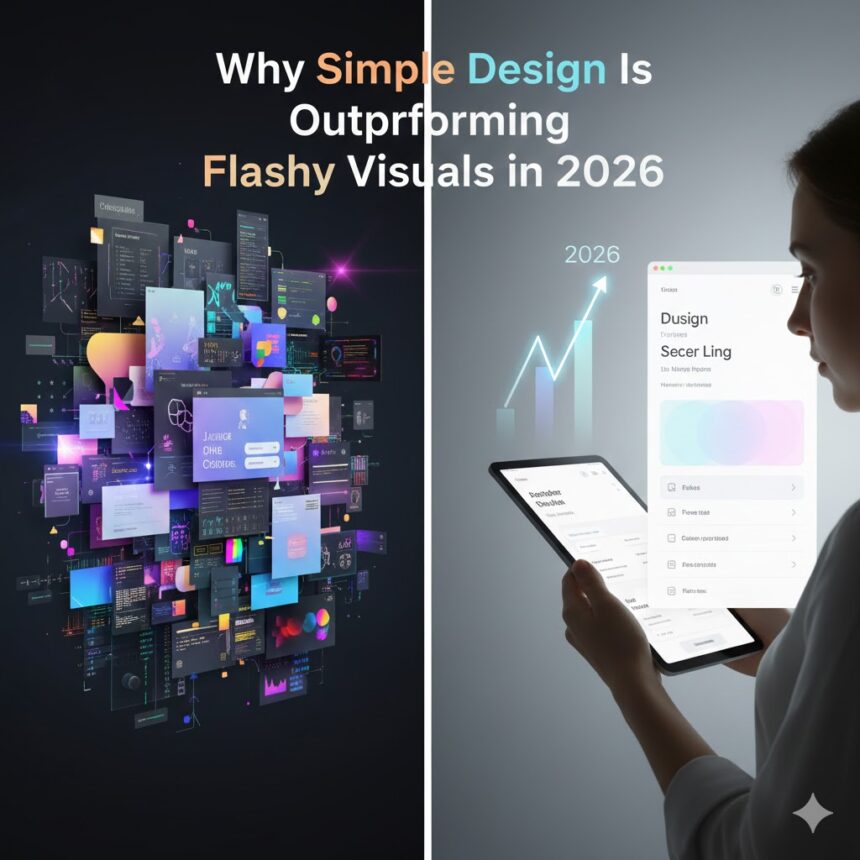
The digital landscape of 2026 is not the sensory overload once predicted. Instead of maximalist interfaces, auto-playing video, and chaotic visual competition, a powerful and consistent trend is defining success: simple design. This movement towards clarity, intention, and restraint is not merely an aesthetic preference; it is a strategic response to user behavior, technological evolution, and commercial necessity. The growth of minimalist design principles represents a fundamental maturation in how we create for the web and beyond. This article will dissect the compelling reasons behind this shift, providing the expertise and data to understand why simplicity is now the ultimate sophistication—and a key driver of performance.
The Core Drivers Behind Minimalist Design Growth
The ascendancy of simple design is not accidental. It is propelled by a confluence of user-centric, technological, and cultural factors that have reached a critical mass.
1. The Cognitive Overload Crisis
Users in 2026 are inundated with information. The average person encounters thousands of marketing messages daily. Flashy visuals—excessive animations, conflicting colors, and dense layouts—contribute directly to cognitive load, the mental effort required to process information.
-
The Simple Design Solution: Minimalist interfaces reduce cognitive load by eliminating non-essential elements. This allows the user’s brain to focus on core tasks: understanding your message, finding information, or completing a purchase. A clean design acts as a guide, not a distraction.
2. The Mobile-First & Performance Imperative
With mobile devices accounting for the dominant share of web traffic, design must be inherently responsive. Flashy visuals, often built with heavy assets like large video files and complex scripts, cripple site speed.
-
The Impact: Research consistently shows a direct correlation between page load time and key metrics like bounce rate, conversion rate, and user satisfaction. Simple, optimized designs load faster, work seamlessly across all devices, and are favored by search engine algorithms that prioritize Core Web Vitals. The National Institute of Standards and Technology (NIST) (nofollow) emphasizes the importance of efficiency and usability in digital systems, principles that minimalist design directly supports.
3. The Shift Towards User Experience (UX) as a Primary Brand Differentiator
As technical parity increases across platforms, competition has shifted from what a product does to how it feels to use. A seamless, intuitive, and frustration-free user experience is now a primary driver of loyalty and advocacy.
-
How Simplicity Wins: Simple design is the bedrock of superior UX. It prioritizes clear navigation, scannable content, and intuitive interfaces. When users can accomplish their goals effortlessly, they associate that positive, efficient feeling with the brand itself. This focus on user-centricity is a cornerstone of modern design philosophy, as explored in resources from institutions like the Nielsen Norman Group (nofollow), a leading voice in evidence-based UX research.
4. The Demand for Authenticity and Clarity
A post-pandemic, digitally-savvy audience has grown weary of over-polished, inauthentic, and sensationalist marketing. There is a growing preference for brands that communicate with honesty, transparency, and purpose.
-
Simple Design as Communication: A minimalist aesthetic strips away the marketing veneer, allowing a brand’s core message, values, and product to speak for themselves. It conveys confidence, clarity, and trustworthiness. In a world of noise, silence stands out.
The Tangible Benefits: How Simple Design Drives Results
Moving beyond theory, the minimalist design growth trend is validated by concrete performance metrics across industries.
-
Enhanced Conversion Rates: Simplified user journeys, with fewer distractions and clearer calls-to-action, directly guide users toward conversion goals. Reducing choices (paradoxically) can increase action.
-
Improved Accessibility: Clean designs with strong contrast, logical structure, and keyboard navigation are inherently more accessible to users with disabilities, widening your audience and complying with legal standards like WCAG.
-
Stronger Brand Recall: A focused visual identity with a limited color palette and consistent typography is more memorable than a complex, ever-changing assortment of flashy elements.
-
Increased Content Engagement: When the design recedes, the content—whether copy, product imagery, or video—takes center stage. Users spend more time with the content that matters.
-
Cost and Time Efficiency: Maintaining a simple, modular design system is more efficient for development and content teams, reducing long-term costs and ensuring consistency at scale.
Flashy vs. Simple Design: A Comparative Analysis
| Feature | Flashy, Complex Design (Declining) | Simple, Minimalist Design (Growing) |
|---|---|---|
| Primary Focus | Grabbing immediate attention through sensation. | Facilitating long-term user goals and understanding. |
| User Cognitive Load | High. It can cause confusion and decision fatigue. | Low. Promotes focus and clear decision-making. |
| Performance & Speed | Often slow due to heavy assets and code. | Typically fast and lightweight, enhancing SEO. |
| Brand Perception | Can appear untrustworthy, desperate, or outdated. | Communicates confidence, clarity, and modernity. |
| Adaptability & Scalability | Difficult to maintain and scale consistently. | Built on systems that are easy to scale and adapt. |
| Core Metric Impact | May increase bounce rates; lowers conversions. | Improves engagement, conversions, and loyalty. |
Implementing Strategic Minimalism: Principles for 2026
Adopting a simple design philosophy requires more than just removing elements; it demands strategic intention. Here is a framework for implementation.
1. Embrace a “Content-First” Mentality
Design should be a vessel for content, not its competitor. Start with the core message, product, or information, and build a structure that presents it with utmost clarity.
2. Cultivate Intentional Negative Space
White space (or negative space) is a critical active element in minimalist design. It:
-
Defines relationships between items.
-
Improves readability and comprehension.
-
Creates a feeling of luxury and focus.
-
Guides the user’s eye through a deliberate visual hierarchy.
3. Limit Your Visual Palette
Restraint is power. Define a strict system and adhere to it:
-
Typography: Use one or two complementary fonts.
-
Color: Employ a primary, secondary, and accent color palette.
-
Imagery: Choose photography/illustration with a consistent style and purpose.
4. Prioritize Navigation Clarity Above All
The user should never wonder where they are or how to get to their destination. Simplified, predictable navigation is non-negotiable. Hamburger menus are giving way to more visible, prioritized navigation structures on desktop and mobile.
5. Use Motion with Purpose
Animation in 2026 is functional, not decorative. It should:
-
Guide the user’s attention during state changes.
-
Provide meaningful feedback on interactions.
-
Enhance understanding of spatial relationships.
-
Avoid autoplay and excessive duration.
The Future Outlook: Simple Design as Sustainable Practice
The trajectory is clear. As we move deeper into the decade, the principles underpinning minimalist design growth will evolve from a trend into a standard best practice for digital creation. This shift aligns with broader movements towards digital sustainability (lighter websites have a smaller carbon footprint), ethical design (respecting user attention and well-being), and universal accessibility.
The brands that will thrive are those that understand design not as a tool for decoration, but as a framework for efficient, meaningful, and human-centered communication. They will recognize that in an increasingly complex world, the greatest value they can offer is simplicity.
The evidence from user psychology, performance analytics, and cultural shift is unequivocal. The era of design as spectacle is over. The era of design as a strategic, empathetic tool for achieving user and business goals is here. By embracing the discipline and intention of simple design, creators and businesses can build digital experiences that are not only beautiful but are fundamentally more useful, trustworthy, and effective. For ongoing analysis on the intersection of design, technology, and user behavior, the team at Inspirationfeed continues to explore these evolving principles.