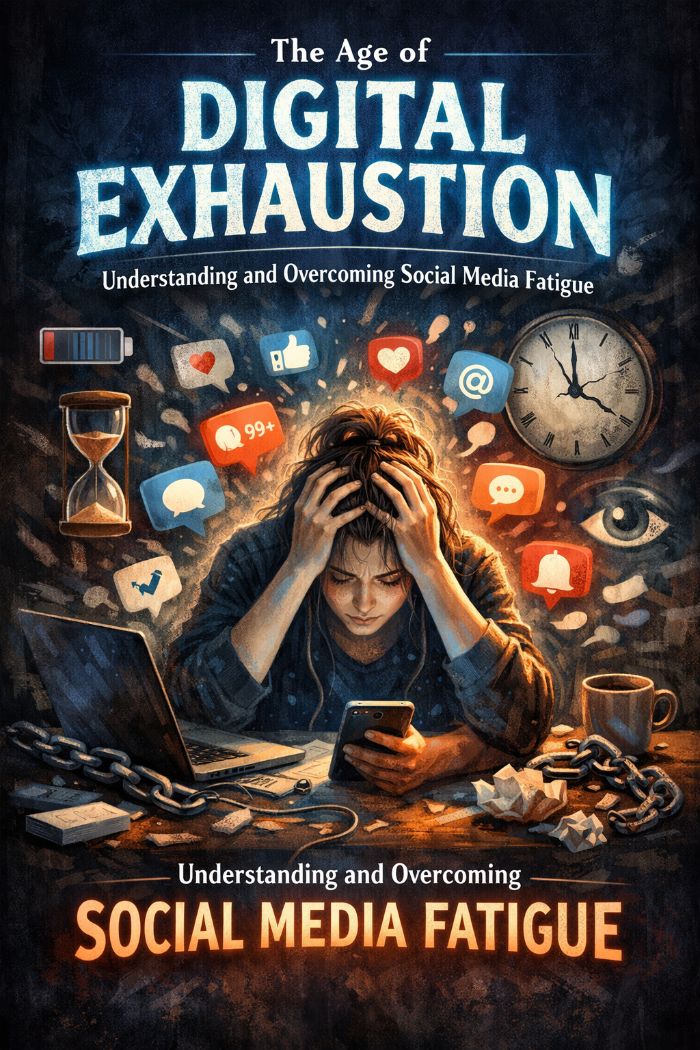
In an era where connectivity is ceaseless and digital interaction is the norm, a new form of weariness has emerged: social media fatigue. This phenomenon, characterized by feelings of overwhelm, apathy, and burnout from engaging with social media platforms, is increasingly recognized as a critical challenge of modern digital life. As billions of users navigate the relentless streams of content, notifications, and social comparisons, understanding this fatigue’s roots, its impact, and how to manage it has become not just a personal wellness issue but a societal imperative.
What is Social Media Fatigue?
Social media fatigue is a state of mental and emotional exhaustion resulting from excessive or compulsive use of social networking sites. It manifests as a diminished interest in posting, sharing, or even consuming content, often accompanied by feelings of anxiety, irritability, or a sense of being “drained” after scrolling. It’s not merely boredom; it’s a reactive response to the cognitive overload, social pressure, and algorithmic manipulation inherent in these platforms.
Its growing relevance stems from social media’s ubiquity. Platforms designed to connect us have paradoxically become sources of stress, affecting mental health, productivity, and real-world relationships. Acknowledging this fatigue is the first step toward reclaiming agency in our digital lives.
Key Factors Influencing Social Media Fatigue
Several interconnected factors fuel this digital exhaustion:
-
Information Overload: The infinite scroll delivers a firehose of news, opinions, personal updates, and advertisements. Our brains are not wired to process such vast, fragmented information continuously, leading to cognitive depletion and decision fatigue.
-
The Comparison Trap: Social media is often a highlight reel. Constant exposure to curated successes, vacations, and lifestyles can trigger social comparison, fostering feelings of inadequacy, envy, and lowered self-esteem—a phenomenon psychologists link to increased anxiety and depression.
-
Algorithmic Manipulation & FOMO: Platforms use sophisticated algorithms to maximize engagement, often by promoting provocative content or triggering Fear Of Missing Out (FOMO). This creates a cycle of compulsive checking, disrupting focus, and contributing to a sense of being manipulated rather than served.
-
Performance Anxiety & Context Collapse: For many, posting is a performance. Crafting the perfect caption, choosing the right image, and anticipating likes and comments turns sharing into a source of anxiety. “Context collapse,” where all audiences (family, friends, colleagues) merge into one, amplifies this pressure.
-
Privacy Concerns and Negative Interactions: Data breaches, invasive ads, and toxic interactions like cyberbullying or divisive political discourse erode trust. Navigating these spaces can feel unsafe and emotionally taxing.
-
The Blurring of Boundaries: The erosion of boundaries between work, social life, and private time, especially with professional networking platforms and constant notifications, means the brain seldom gets a true break from social performance.
Practical Strategies for Better Decisions and Digital Well-being
Combating social media fatigue requires intentional action. Here are practical steps for making better digital decisions:
-
Conduct a Digital Audit: Start mindfully. Usethe built-in screen and time trackers to see where your hours truly go. Unfollow, mute, or leave accounts and groups that evoke negative emotions. Curate your feed to include only what adds value—inspiration, education, genuine connection.
-
Embrace Intentional Use & Schedule Access: Shift from passive, endless scrolling to active, purposeful use. Set specific goals (e.g., “message two friends” or “check event invites”) and time limits. Consider scheduling “social media hours” instead of checking incessantly. Disable non-essential notifications.
-
Practice Digital Detoxes and Boundary Setting: Establish tech-free zones (e.g., the bedroom, dining table) and times (e.g., the first hour after waking). Try a full 24-hour detox weekly. Use app blockers during work or family time to protect your focus.
-
Favor Meaningful Connection Over Broadcasting: Use direct messages, voice notes, or video calls to deepen individual relationships. Prioritize quality of interaction over quantity of consumption. Remember, a few meaningful comments are more fulfilling than hundreds of passive likes.
-
Re-engage with the Analog World: Actively cultivate hobbies and relationships that exist offline. Physical activity, reading physical books, and face-to-face conversations provide sensory richness and psychological restoration that screens cannot replicate.
Real-World Relevance: More Than Just “Feeling Tired”
The impact of social media fatigue extends far beyond individual mood. It has tangible real-world consequences:
-
Mental Health: Strong correlations exist between heavy, passive social media use and increased rates of anxiety, depression, and loneliness, particularly among younger demographics.
-
Productivity: Constant context-switching and interruption fragments attention, significantly reducing the quality of work and depth of thought—a concept known as “attention residue.”
-
Democratic Discourse: Fatigue can lead to disengagement from important civic issues or, conversely, to heightened reactivity and polarization as nuanced debate is replaced by soundbite warfare.
-
The Marketplace: Brands are noticing. “Quiet quitting” of social media by key demographics forces marketers to rethink engagement strategies and authenticity.
Conclusion: Reclaiming Your Digital Autonomy
Social media fatigue is not a personal failing; it is a predictable human response to environments engineered for maximum extraction of attention and data. Recognizing it is a sign of self-awareness, not weakness. The goal is not necessarily to abandon these tools, but to downgrade them from a central life hub to a set of utilities used with intention and control. By auditing our habits, setting firm boundaries, and prioritizing real-world connections, we can transform our relationship with technology from one of exhaustion to one of empowered use.
Future Outlook: Toward a More Sustainable Digital Ethos
The future will likely see a growing pushback against the current model. We can anticipate:
-
Demand for Ethical Design: Users and regulators will pressure platforms to adopt “humane design” that respects attention, promotes well-being, and offers genuine transparency and control over algorithms.
-
The Rise of Slow Social: Niche platforms focusing on close-knit communities, slower sharing (like photo journals), or specific interests (like book clubs) may gain popularity as alternatives to the broadcast model.
-
Integrated Digital Wellness Tools: Expect more robust well-being features baked into operating systems and apps—like mandatory break reminders, simplified feeds, and advanced activity dashboards.
-
Cultural Shift in Sharing: A move toward more authentic, imperfect, and ephemeral sharing (as seen with BeReal) may reduce performance pressure, making interactions feel less burdensome.
Ultimately, navigating social media fatigue is an ongoing practice of self-management in a distracting world. By understanding its mechanisms and implementing strategic defenses, we can harness the benefits of connection while preserving our mental space, our time, and our peace of mind. The power to log off, curate, and connect meaningfully remains, decidedly, in our hands.