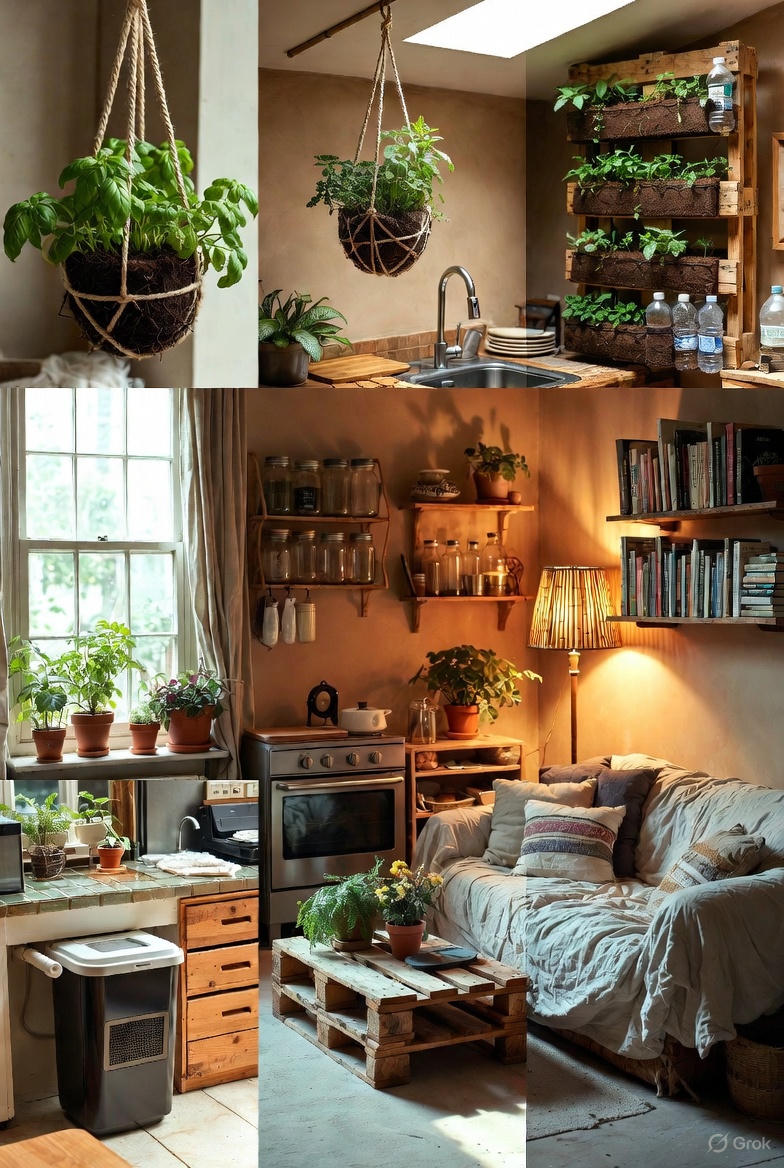
In the heart of the bustling city, where concrete dominates and green space is a luxury, embracing a sustainable lifestyle can feel like a daunting challenge. Limited square footage, rental restrictions, and a perceived lack of control over your environment are common hurdles. However, urban sustainable living is not only possible but also profoundly impactful and personally rewarding. This comprehensive guide is designed to transform your urban apartment into a beacon of eco-consciousness, proving that you don’t need a backyard homestead to make a significant difference.
Why Urban Sustainable Living Matters More Than Ever
Cities are responsible for over 70% of global carbon emissions, yet they also represent our most significant opportunity for change. When individuals in apartments adopt eco-friendly habits, the collective effect ripples through the entire urban ecosystem. Urban sustainable living reduces landfill waste, lowers demand on municipal energy and water systems, promotes local economies, and creates a demand for greener products and policies. It’s a powerful statement that sustainability is not a trend but a necessary evolution of modern life.
The Core Pillars of an Eco-Conscious Apartment
Before diving into the hacks, it’s essential to understand the foundational goals:
-
Reduce Consumption: Minimising what you buy and bring into your home.
-
Maximise Efficiency: Using less energy, water, and resources to accomplish daily tasks.
-
Eliminate Waste: Shifting from a linear (take-make-dispose) to a circular mindset (repair, reuse, recycle).
-
Choose Mindfully: Supporting products and companies that align with ecological values.
Hack Your Energy & Water Use
Reducing your utility bills is a direct benefit of sustainable practices. Here’s how to make your apartment more efficient.
Smart, Landlord-Friendly Switches
You don’t need to rewire the building to save energy.
-
LED Revolution: Replace every bulb with an LED. They use at least 75% less energy and last 25 times longer than incandescent bulbs.
-
Power Down Phantom Loads: Electronics on standby can account for 10% of your energy bill. Use advanced power strips that cut power to peripherals when the primary device is off.
-
Embrace Smart Plugs: Schedule lights, fans, and small appliances to turn off automatically, ensuring nothing runs unnecessarily.
Water Conservation Techniques
Every drop counts in an urban system.
-
Aerator Installation: Screw a low-flow aerator onto your kitchen and bathroom faucets. It mixes air with water while maintaining pressure, using significantly less water.
-
Shower Savvy: Install a water-efficient showerhead and adopt a “navy shower” method: turn water off while lathering.
-
The “Wait for It” Jug: Keep a jug in the kitchen. When you run the tap for hot water, catch the cold water in the jug for drinking, watering plants, or cooking.
Table: Quick-Impact Utility Savings
| Hack | Estimated Savings (Monthly) | Upfront Cost |
|---|---|---|
| Switch to All LEDs | 5-8% on the energy bill | Low |
| Use Advanced Power Strips | Up to 10% on the energy bill | Medium |
| Install Low-Flow Aerators | Up to 700 gallons of water | Very Low |
| Use a Smart Thermostat* | 10-12% on heating/cooling | Medium |
*If your apartment system allows
Master the Art of Waste Reduction
The goal is to make your trash can the loneliest place in your apartment.
Embrace the “R’s”: Refuse, Reduce, Reuse
-
Refuse Single-Use: Carry a reusable kit with a water bottle, coffee cup, utensils, and shopping bags. Politely decline unnecessary packaging.
-
Reduce Packaging: Shop at bulk stores using your own containers. Choose products with minimal or compostable packaging.
-
Reuse Creatively: Glass jars become food storage. Old t-shirts transform into cleaning rags. Wine corks can be a DIY pinboard.
Composting in a Compact Space
You can compost without a yard.
-
Bokashi Bins: This Japanese method uses fermentation to break down all food scraps, including meat and dairy, in a sealed, odour-free bucket under your sink.
-
Electric Composters: Devices like Lomi or FoodCycler dehydrate and grind scraps into odourless, nutrient-rich “plant food” in hours.
-
Community Drop-Off: Many cities now have compost drop-off points at community gardens or farmers’ markets. Store scraps in a sealed container in your freezer to avoid smells.
Create a Sustainable Indoor Oasis
Plants do more than beautify; they purify air and connect you to nature.
-
Air-Purifying Champions: Spider plants, snake plants, peace lilies, and pothos are low-maintenance and excellent at filtering common indoor toxins.
-
Grow Your Own Herbs: A sunny windowsill can support basil, mint, cilantro, and thyme. It reduces the purchase of plastic-packaged herbs and food miles.
-
Water Wisely: Use collected water from dehumidifiers or your “wait for it” jug. Ensure pots have drainage to prevent overwatering.
Make Conscious Consumer Choices
Sustainability extends to everything you bring into your home.
-
Furniture & Decor: Prioritise second-hand from thrift stores, online marketplaces, or estate sales. Choose quality over quantity. If buying new, opt for pieces made from sustainable materials like bamboo, reclaimed wood, or recycled metal.
-
Textiles & Bedding: Look for organic cotton, linen, Tencel, or recycled materials. They are better for the environment and your health, as they reduce exposure to pesticides and chemical dyes.
-
Clean Green: Commercial cleaners are often full of harmful chemicals. A simple arsenal of white vinegar, baking soda, castile soap, and lemon can handle almost every cleaning task. For a trusted resource on non-toxic ingredients, refer to the Environmental Working Group’s Guide to Healthy Cleaning.
Navigate Urban Systems Sustainably
Your impact extends beyond your front door.
-
Green Your Transit: Walk, cycle, or use public transportation for daily commutes. For necessary trips, consider car-sharing services over ownership.
-
Support the Local Loop: Shop at farmers’ markets for seasonal, low-transport food. Patronise local repair shops, libraries, and tool-lending cooperatives.
-
Become an Advocate: Engage with your building management about recycling improvements, communal composting, or even a rooftop garden project. Collective action drives significant change. For data on urban sustainability initiatives, research from sources like the MIT Sustainable Urbanisation Lab can provide valuable insights.
Overcoming Common Urban Apartment Challenges
-
“I’m a Renter/I Can’t Make Permanent Changes”: Focus on non-permanent hacks: LED bulbs, tap aerators, removable window film for insulation, and freestanding shelves for vertical gardens. Always keep and reinstall original fixtures when you move.
-
“I Have Limited Space”: Think vertical. Use wall-mounted racks, over-the-door organisers, and tall, slim shelving units. Multi-functional furniture (a storage ottoman, a fold-down desk) is key.
-
“It’s More Expensive”: While some eco-products have a premium, the core of sustainability is consuming less. Reducing waste, energy, and water use saves money in the long term. View durable items as investments.
Building a Sustainable Mindset
Authentic urban sustainable living is a journey, not a destination. Start with one or two hacks that feel manageable—perhaps mastering a homemade cleaner or setting up a simple recycling system. Celebrate your successes, and don’t let perfection be the enemy of progress. Every mindful choice adds up. By adopting these practices, you contribute to a healthier planet, a more resilient community, and often, a simpler, more intentional lifestyle. For more ideas on deliberate living and innovation, explore the variety of content available at inspirationfeed.
Remember, the most sustainable apartment is not just about the products in it, but about the habits and consciousness of the person who lives there. Your urban dwelling is a perfect place to start this vital and rewarding practice.