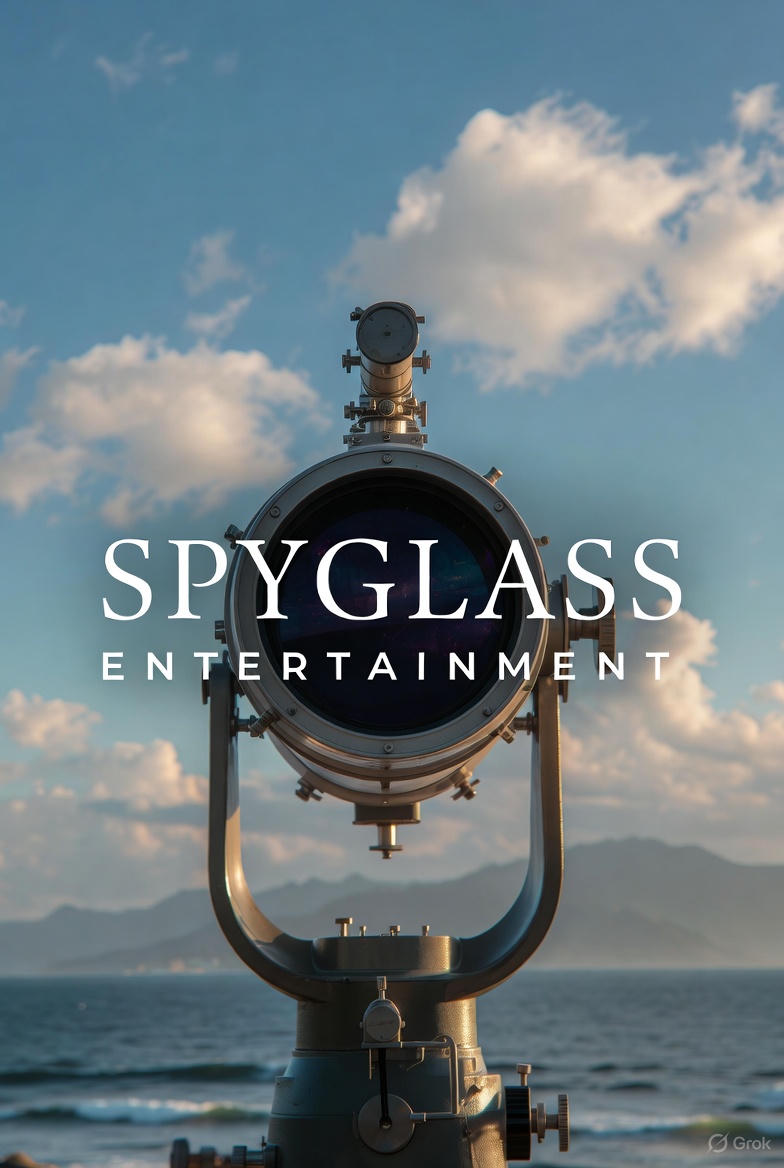
Welcome to the fascinating realm of film production, where creativity meets visual storytelling. Spyglass Entertainment Avid opens up a window into how one company shaped blockbuster experiences through its unique branding. This article dives deep into the elements that make Spyglass Entertainment Avid so captivating, from its roots to modern impacts. Whether you’re a movie buff or just curious about behind-the-scenes magic, you’ll find plenty to enjoy here.
The Beginnings of Spyglass Entertainment
Spyglass Entertainment started in 1998 when Roger Birnbaum and Gary Barber teamed up after Birnbaum stepped away from Disney’s Caravan Pictures. They aimed to produce films that blended excitement with strong narratives. By 2010, the duo took on roles at Metro-Goldwyn-Mayer during its tough times, which slowed down Spyglass’s output. The company paused in 2012 but came back strong in 2019 as Spyglass Media Group under Lantern Entertainment. This revival kept the spirit alive for new generations.
Exploring Spyglass Entertainment Avid shows how logos played a key role in building recognition. The original logo debuted in 1999, setting a tone of adventure with its telescope theme. Over the years, it appeared in hits like The Sixth Sense and Star Trek. This history highlights resilience in the entertainment industry, where adapting to changes like bankruptcies and mergers is crucial. Fans appreciate how Spyglass Entertainment Avid captures the essence of discovery in cinema.
Founders and Early Vision
Roger Birnbaum brought experience from Caravan Pictures, focusing on family-friendly stories. Gary Barber added business savvy from his background in distribution.
Challenges and Revival
The 2010 shift to MGM marked a pivot, but the 2019 relaunch as Spyglass Media Group breathed new life into the brand.
What is Spyglass Entertainment Avid?
Spyglass Entertainment Avid refers to the audiovisual identity captured in databases like the Audiovisual Identity Database. It reveals the creative layers behind the company’s logos and sounds that greet audiences before films start. This identity isn’t just a quick clip; it’s a portal into the imaginative world Spyglass built. From ocean scenes to dramatic music, it sets expectations for thrilling tales.
In Spyglass Entertainment Avid, the logo symbolizes exploration, much like a real spyglass. It has evolved to stay fresh while honouring roots. For movie lovers, understanding Spyglass Entertainment Avid means appreciating how such elements enhance the viewing experience. It’s about more than production; it’s the first impression that hooks viewers. Resources like inspirationfeed offer insights into similar creative processes in media. This avid approach helps brands stand out in a crowded field.
Core Elements Explained
The logo combines live-action with computer-generated imagery for a seamless look.
Why It Matters Today
Even after the company’s pause, the identity continues to influence current productions.
Key Features of the Spyglass Entertainment Logo
The Spyglass Entertainment logo stands out against an ocean backdrop, with mountains and a person peering through a telescope. The word “SPYGLASS” appears in a stylish font, often with a glass-like texture, followed by “ENTERTAINMENT” below. This design evokes mystery and adventure, perfect for films.
Key features include the zoom-out effect to a black screen and variants for different aspect ratios. The 2010 update added shiny lettering and realistic water ripples. Spyglass Entertainment Avid documents these details, showing how small changes keep the logo dynamic. The audio features a piano-and-string tune that builds emotion. These elements make the logo memorable, drawing viewers into the story right away. For creators, Spyglass Entertainment Avid serves as a model for effective branding.
- Visual Highlights: Ocean waves, telescope figure, textured text.
- Audio Components: Peaceful yet dramatic music in various keys.
- Adaptability: Versions for widescreen, fullscreen, and TV.
The Technology Behind Spyglass Entertainment Avid
Creating the Spyglass Entertainment logo involved cutting-edge techniques for its time. Picturemill handled the mix of live-action footage and CGI to craft the ocean scene and telescope animation. This blend required software for rendering realistic water effects and smooth transitions.
In Spyglass Entertainment Avid, the technology details reveal how early-2000s tools pushed the boundaries of logo design. Updates in 2010 used advanced rendering for shinier text and better ripples. Today, similar tech powers modern film intros. Understanding this helps see how Spyglass Entertainment Avid paved the way for digital creativity in entertainment. It’s a reminder that tech evolves, but good design lasts. Links to industry sites like The Hollywood Reporter provide more on production tech.
CGI and Live-Action Integration
Early logos used basic CGI; later ones improved with high-res software.
Modern Influences
Current tools build on these foundations for faster creation.
Benefits of Embracing Spyglass Entertainment Avid
Diving into Spyglass Entertainment Avid offers many perks for film enthusiasts and creators. It builds brand loyalty by creating a familiar start to movies, making audiences excited. Strong identities like this boost recognition, helping companies like Spyglass stand out.
Benefits include inspiring creativity in logo design and teaching about visual storytelling. For students, Spyglass Entertainment Avid provides real-world examples of how elements like music and imagery work together. It encourages exploration of film history, leading to a deeper appreciation. Plus, it highlights collaboration in production. Overall, Spyglass Entertainment Avid enriches understanding of entertainment’s creative side and fosters a community of avid fans. Check educational resources like USPTO.gov for branding tips.
- Enhanced Engagement: Draws viewers in immediately.
- Educational Value: Teaches design principles.
- Community Building: Connects fans through shared experiences.
Potential Risks in Visual Identity Design
While Spyglass Entertainment Avid showcases success, there are risks in crafting such identities. Overcomplicating designs can confuse audiences or date quickly with tech changes. If a logo doesn’t match the film’s tone, it might turn viewers off.
Risks include high costs for CGI production without guaranteed returns. Cultural missteps in imagery could lead to backlash. Spyglass Entertainment Avid notes variants to adapt, but poor updates risk alienating fans. Balancing innovation with tradition is key. Creators must test designs to avoid these pitfalls. Industry insights from Variety discuss similar challenges in media branding. Awareness helps mitigate issues for lasting impact.
Common Pitfalls
Over-reliance on trends can make logos obsolete.
Mitigation Strategies
Gather feedback early in the design process.
Iconic Films and Spyglass Entertainment Avid
Spyglass Entertainment produced many beloved films, each starting with its signature logo as seen in Spyglass Entertainment Avid. Hits like The Sixth Sense thrilled with suspense, while Bruce Almighty brought laughs. The logo’s appearance built anticipation.
From Shanghai Noon to Star Trek, these movies span genres, showing versatility. Spyglass Entertainment Avid lists over 50 films from 1999 to 2012, including Evan Almighty and Invictus. Each entry reveals how the logo has adapted, enhancing the creative world. Fans revisit these for the nostalgic intro. This collection underscores Spyglass’s role in Hollywood’s golden era.
- The Sixth Sense (1999): Debut of audio variants.
- Reign of Fire (2002): Scope aspect ratio version.
- The Vow (2012): Final logo appearance.
Evolution of Logo Variants
The Spyglass Entertainment logo evolved through variants documented in Spyglass Entertainment Avid. Early Instincts used plain text, while the 2010 updates added shine and better effects, starting with Leap Year.
Special versions for films like The Hitchhiker’s Guide to the Galaxy customised the theme. TV adaptations shortened it for Miracles. These changes kept the identity fresh amid tech advances. Spyglass Entertainment Avid captures this progression, showing adaptability. It teaches how brands refresh without losing core appeal. From aspect ratio adjustments to audio tweaks, evolution ensures relevance.
Early vs. Later Variants
Initial designs focused on simplicity; updated and emphasised polish.
Custom Film Adaptations
Tailored for specific movies to match themes.
Comparing Spyglass Entertainment Logo Variants
To better understand Spyglass Entertainment Avid, let’s compare key variants in a table. This highlights differences in visuals, audio, and usage.
| Variant | Year Introduced | Visual Changes | Audio Changes | Films Used In |
|---|---|---|---|---|
| Debut | 1999 | Plain 2D text | Original piano/string in C major | Instinct, The Sixth Sense |
| 2010 Update | 2010 | Shiny blue/white 3D with golden outline, realistic ripples | Re-orchestrated in E-flat major | Leap Year, The Vow |
| Scope Aspect | 2002 | Zoomed out for 2.39:1 | Standard or film theme | Reign of Fire, Evan Almighty |
| TV Shortened | 2003 | Final seconds only | Four piano notes | Miracles series |
| Custom | 2005-2009 | Film-specific elements | Varied re-orchestrations | Underdog, Invictus |
Key Takeaways from Spyglass Entertainment Avid
Spyglass Entertainment Avid teaches valuable lessons in branding. Strong visuals create lasting impressions, as seen in the telescope motif. Adaptability through variants keeps things current.
Takeaways include the power of audio in setting the mood and tech’s role in evolution. It reminds us that creativity thrives on collaboration. For aspiring filmmakers, Spyglass Entertainment Avid offers inspiration for their own identities. Embrace history while innovating. These insights reveal a world where small details make significant impacts.
- Innovation Matters: Update designs thoughtfully.
- Audience Focus: Match elements to expectations.
- Historical Value: Preserve roots for authenticity.
Conclusion: Unveiling Endless Creativity
Spyglass Entertainment Avid unlocks a creative world full of adventure and innovation. From humble beginnings to iconic logos, it shows how visual identity shapes entertainment. We’ve covered history, features, and more, highlighting benefits while noting risks. This journey through Spyglass Entertainment Avid encourages exploring film’s hidden gems. As the company continues under Spyglass Media Group, its legacy inspires. Dive in and discover your own creative spark.
FAQ
What does Spyglass Entertainment Avid mean?
It refers to the audiovisual identity of Spyglass Entertainment, detailing logos and sounds.
When was the logo first used?
In 1999, on Instinct.
Are there risks in logo design?
Yes, like high costs or outdated elements.
How has the logo evolved?
Through updates in text, effects, and audio from 1999 to 2012.
Where can I learn more?
Check databases like AVID.wiki or industry sites.